


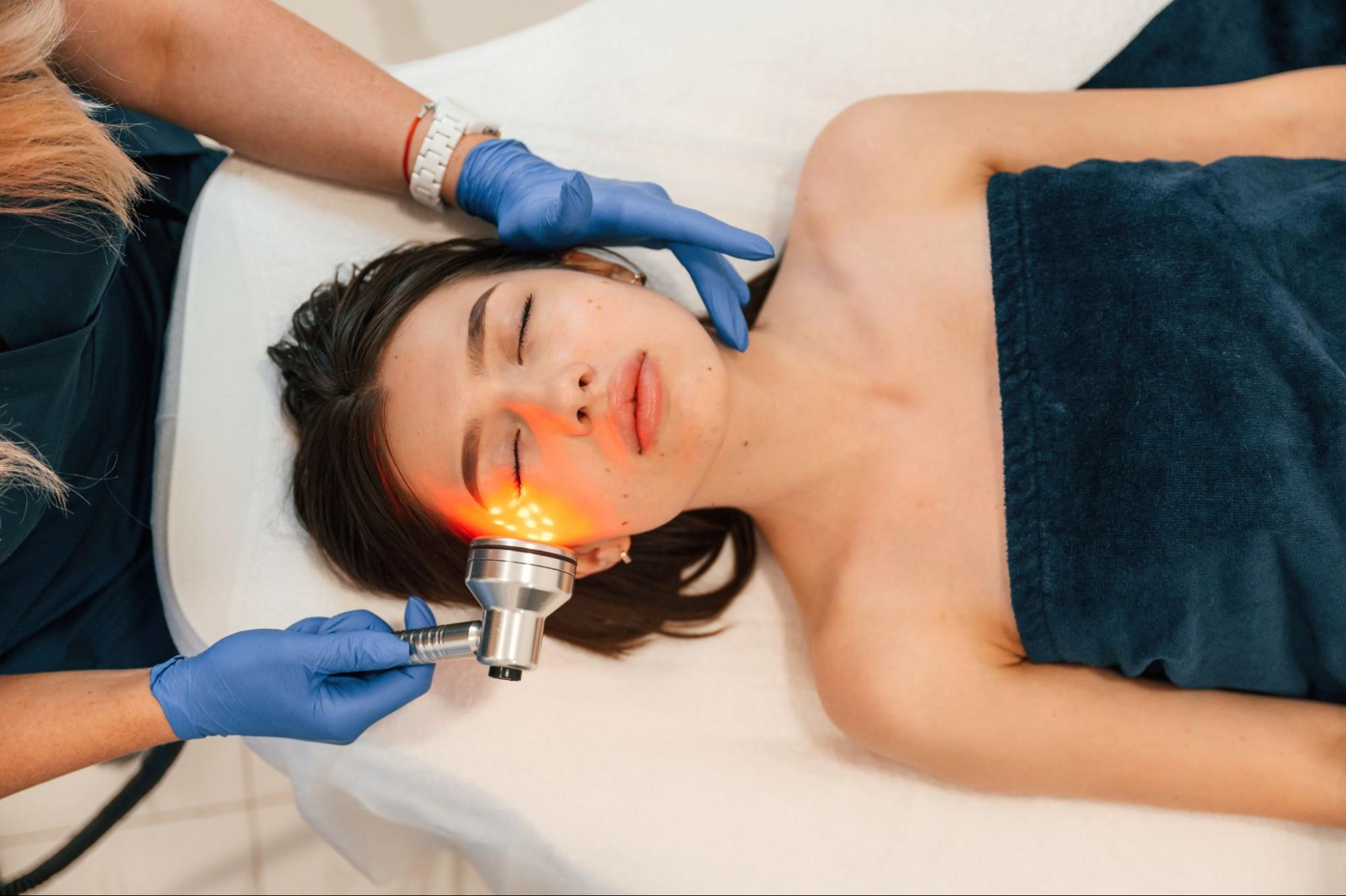
It is quite common for people to compare Thermage vs Ultherapy when they want a mild skin tightening without surgery. Many first-time patients are eager to know in what way the two treatments are different, how long it takes to see the results, and which method will be suitable for their skin type. This guide explains both alternatives in layman's terms so that everyone can understand their functioning and what they are able to provide.
Key Takeaways:
- Thermage uses radiofrequency energy to gently heat mid-layer skin, promoting collagen for improved firmness and smoother texture.
- Ultherapy employs focused ultrasound to reach deeper foundational layers, offering a more noticeable lifting effect for sagging skin.
- Results from both treatments develop gradually over several months as new collagen forms naturally.
- Thermage suits those with mild laxity seeking subtle firming; Ultherapy is ideal for moderate sagging requiring a visible lift.
- A consultation at a reputable aesthetic clinic Singapore helps determine the most suitable option for your skin goals.
Understanding the Basic Idea of Skin Tightening Treatments
Skin tightening treatments literally mean that controlled energy is used to harm or irritate the deeper layers of the skin. However, this energy ultimately results in lifting, more firmness, and better texture of the skin. The truth is that most of the people who seek skin-tightening treatments want an accurate explanation of how these results appear. First of all, it should be emphasised that both Thermage and Ultherapy are non-surgical; besides, only very little rest is required after either of them. Hence, they are good for those who have a busy life but want to be better without a major procedure. The very essence of these successful results is the fact that collagen is increased, which is the main support structure that keeps the skin firm.
How Thermage Works
Radiofrequency energy is used by Thermae to heat the deeper layers of the skin. A cooling tip protects the surface and keeps the treatment comfortable. The heat tightens collagen fibres and also encourages new collagen to grow. Some warmth may be felt during the session, but most people tolerate it well.
People choose Thermage for smoother skin and better contour. It helps mild to moderate sagging and works well on the cheeks, jawline, and eye area. It also improves uneven texture and fine lines. Many first-time patients prefer Thermage because it gives gentle, natural-looking results without peeling or marks. Thermage can also be used on the body, including the stomach, arms, and thighs, which makes it a flexible option for many concerns.
How Ultherapy Works
The main source of energy for Ultherapy is focused ultrasound. To the layers that even the radiofrequency cannot reach, this energy reaches. The little dots of heat that are created under the skin cause it to be lifted from the core. The safest zone during the process is actually the top layer of the skin, so the treatment is suitable for lots of different skin types.
One of the reasons that can persuade people to choose Ultherapy in Singapore is the desire to have a visible lift. It is mostly performed on the brows, jawline, and neck. There is a great number of people who compare Ultherapy to Thermage differences only because Ultrasound can penetrate deeper and can give stronger lifting effects. Those who have sagging in the lower part of the face or neck will benefit the most from this type of treatment.
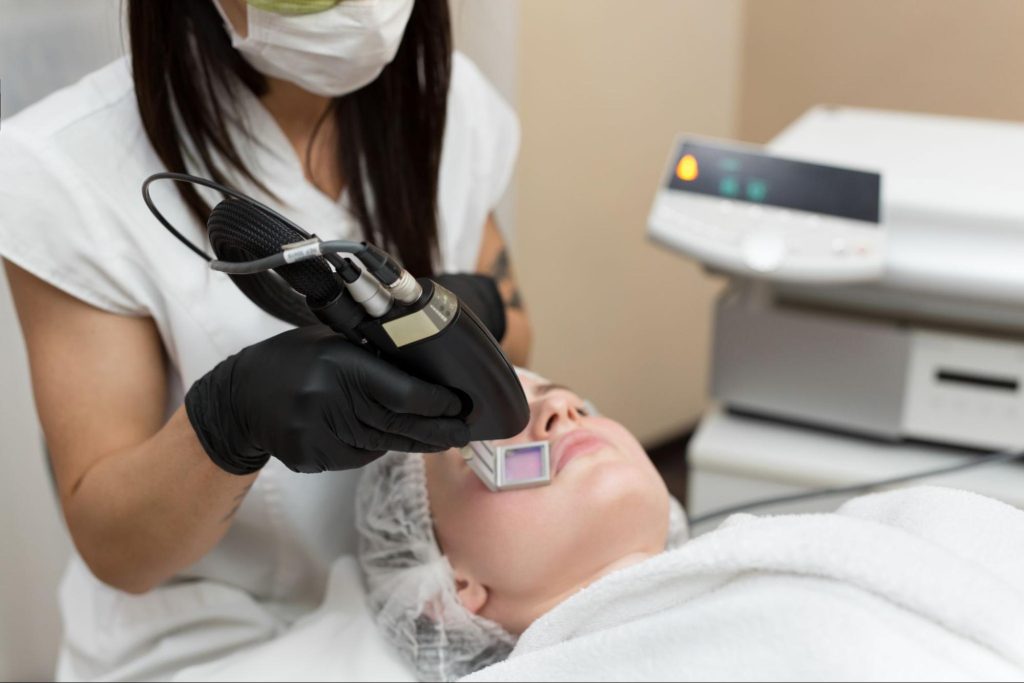
Technology Comparison: Radiofrequency vs Ultrasound
A straightforward explanation helps show the differences between Thermage and Ultherapy in an easy and clear way.
- Radiofrequency: works in the mid layers of the skin and improves firmness, smoothness, and overall skin texture by gently heating these layers. This makes Thermage suitable for people who want subtle tightening without deep lifting.
- Ultrasound: travels deeper under the skin and targets the foundational layers that support the face. This deeper reach helps create a noticeable lifting effect, especially around areas like the brow, jawline, and neck.
Both treatments encourage the skin to produce new collagen, which improves the skin gradually over the next few months. Both involve little discomfort and do not require surgery or long recovery periods. For patients seeking additional skin improvements, options such as Pico laser treatment for pigmentation or acne scar treatment may be considered alongside tightening procedures.
Visible Results from Thermage and Ultherapy
The effects of Thermage usually take months to become evident as collagen gradually gets stronger. Skin is made to look smoother and tauter. Stages in which results from Ultherapy also show, however, some people find that they get an early lifting effect, as it is the deeper layers that respond first.
Neither one is as harsh as surgery. People who are deciding between Ultherapy and Thermage most likely will determine their choice depending on whether they desire slight firming or more lifting.
Suitability by Age and Skin Type
The decision of what method to use should be based on the condition of one's skin and the goals that one has. Thermage is the right option to solve problems of slight loosening of the skin, first lines, and the general skin texture. It is perfect for people who are in their late twenties, thirties, and forties and want to keep off deeper facial sagging for a couple of years.
People with sagging around the jawline, brow, and neck that is clearly visible can use Ultherapy treatment Singapore as their method of choice. People who are in their mid-thirties and older usually compare Ultherapy and Thermage to figure out which one will give them the lift they want. There is also no risk involved in these two options for different skin tones.
Thermage vs Ultherapy Differences Identification
| Area | Thermage | Ultherapy |
| Technology | Radiofrequency energy | Ultrasound energy |
| Depth Targeted | Mid skin layers | Deep skin layers |
| Main Goal | Smoothing and firming | Lifting and shaping |
| Common Areas | Face, eyes, body | Face, jaw, neck |
Key Points for First-Time Patients
- The use of radiofrequency energy in Thermage makes it possible to gently firm the skin.
- Through the use of ultrasound energy, Ultherapy can lift the skin at a deeper level.
- Both of them support collagen structure over a longer period of time.
- The treatment plan you follow should be in line with your comfort level and lifestyle.
- A comprehensive consultation helps you determine which option fits with your goals.
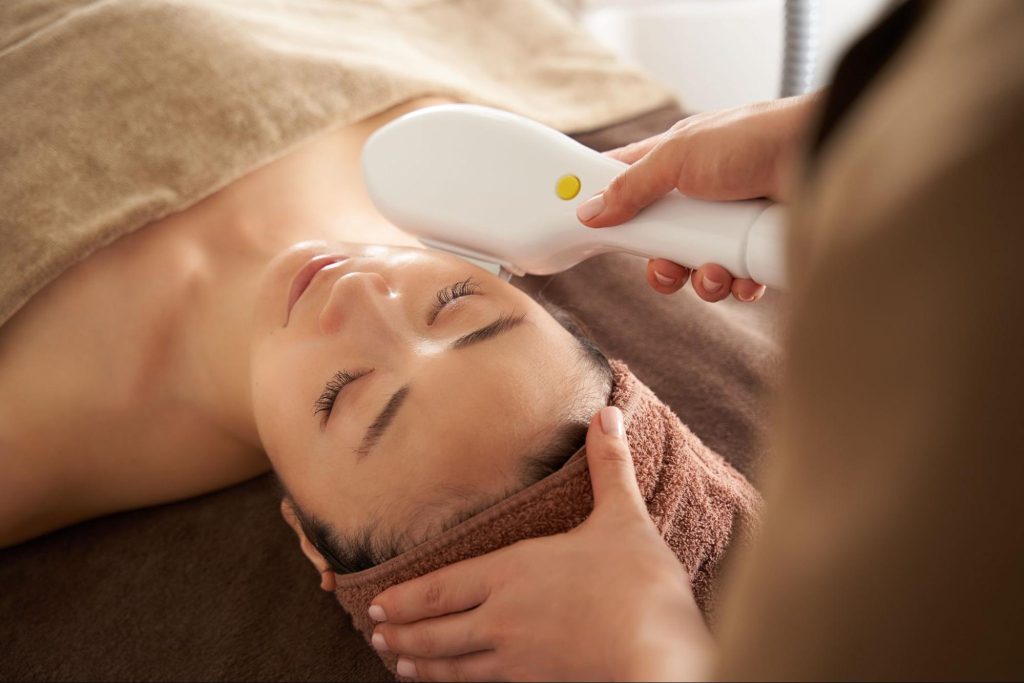
How Astique Clinic Is There for New Patients
Astique Clinic presents the differences between Thermage and Ultherapy in clear and concise terms. The team thoroughly examines your skin and walks you through every step. As a trusted aesthetic clinic Singapore, they provide help and comfort to the new patients who have never undergone skin tightening treatments before. This support makes it easy and comfortable for you to understand the differences between Ultherapy and Thermage.
In addition to tightening procedures, the clinic offers complementary treatments such as Profhilo treatment for skin hydration, dermal fillers for volume restoration, and Pico laser for addressing pigmentation concerns. For vascular issues, the Dual Yellow laser provides targeted solutions for redness and broken capillaries.
1. Getting Ready for Your First Visit
A simple skin care regimen is one factor in having the visit go well. Make sure that the skin is clean, do not use heavy creams before the session, and inform the doctor if you have any skin concerns. The majority of first-time patients consider the treatments feasible because both methods are quick and there is minimal interruption to daily activities.
2. Aftercare to Maintain Long-Term Healthy Results
The aftercare is easy. Keep the skin hydrated, protect it from the sun, and make sure you drink enough water. After each treatment, a slight sensation of warmth is possible, but the feeling goes away fast. Long-term results, therefore, are to be maintained by yearly sessions, mostly, of course, for those who want to hold the firm feeling of the skin for a long time.
Conclusion
It is much simpler to pick one of Thermage vs Ultherapy if you comprehend the operative principles of each technique and the kind of results they can provide. Differentiating radiofrequency from ultrasound allows first-time patients to figure out which procedure is most compatible with their goal of skin and lifestyle. These two alternatives are safe, comfortable, and make the skin better gradually without interfering with the regular activities of the day. Astique Clinic is committed to supporting patients from the very first consultation, through the treatment itself, all the way to aftercare, so that achieving firmer, lifted skin is effortless, safe, and trouble-free.