


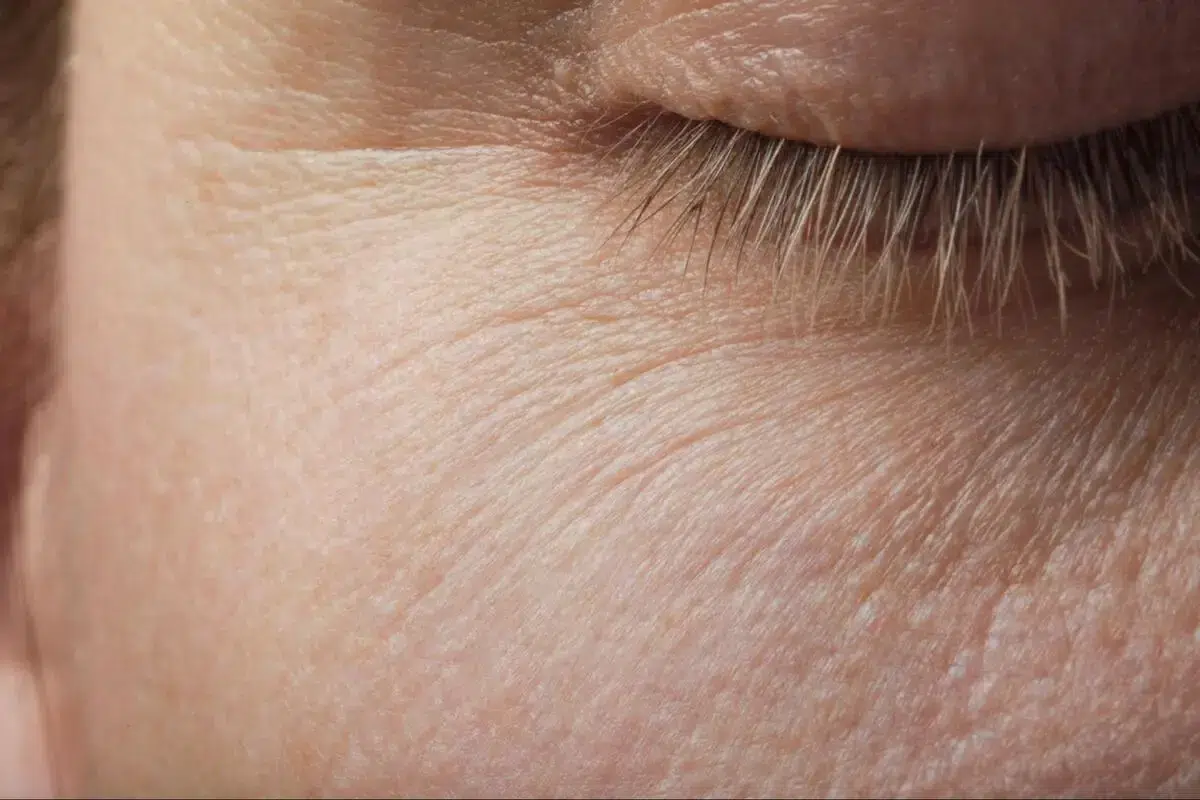
Sagging skin can be defined as the condition of the skin which is loose and lacks its normal firmness, usually causing the appearance to be less defined or drooping. This transformation is usually witnessed when one ages, although it may also be influenced by other things that influence skin structure. The realisation of what sagging skin is and how it is formed makes us aware of how our skin appears and feels as we age. The skin becomes weakened and loose; it is not tight enough, and there is a tendency to worry in the regions that are visible, like the face, neck, arms, or belly. To deal with the problem of sagging skin, one has to understand its causes, varieties, and how sagging skin tightening Singapore can affect both self-image and self-esteem.
Explaining What Is Sagging Skin and Its Development
When we talk about what is sagging skin, we mean we are talking of the phenomenon whereby the skin becomes incapable of sticking together and appearing smooth. This normally occurs when the fibres that help in maintaining the skin structure, such as collagen and elastin, are weakened or degenerated. The skin can also become skinny and dry, thereby rendering it plump. These changes eventually cause our skin to become thinner and more relaxed, particularly in places that move a lot or are regularly exposed to the sun. The ageing process reduces the skin's natural repair capabilities, and as a result, the skin starts to crease. Knowledge of this process can guide us to understand why our skin can change its shape or firmness when we grow older or after some events in our lives, such as losing massive amounts of weight.
Causes of Sagging Skin
Sagging skin occurrence has a number of causes that we should know. The first one is ageing, as we grow older, our bodies naturally tend to produce less collagen and elastin. This is also caused by sun damage, which destroys the supportive fibres of the skin due to ultraviolet rays. Sagging skin is also a symptom of weight loss, particularly when one loses a lot of weight within a short period, because the skin might not return to the new body shape. This may also be due to some medical conditions, such as some connective tissue disorders. Poor nutrition and smoking may also accelerate the process of decreasing the skin's structure. With these causes, we are able to make daily decisions which could help keep the skin healthy.
Types of Sagging Skin
The knowledge of the sagging skin types helps us to be aware of the way and location of such changes. Localised sagging occurs in one part, e.g. beneath the chin or in the eyes. Generalised sagging involves larger parts of the body or face, such as the whole of the face or body, following a loss of weight. Dynamic sagging is visible in the areas of the skin that move frequently, e.g. in the jawline or cheeks, whereas the static sagging can be observed even when the face is at rest. Sagging skin can have different forms, requiring various approaches to be taken in care or prevention. The type identification also enables us to make realistic expectations of any improvements we might be pursuing.
Areas Most Commonly Affected by Sagging Skin
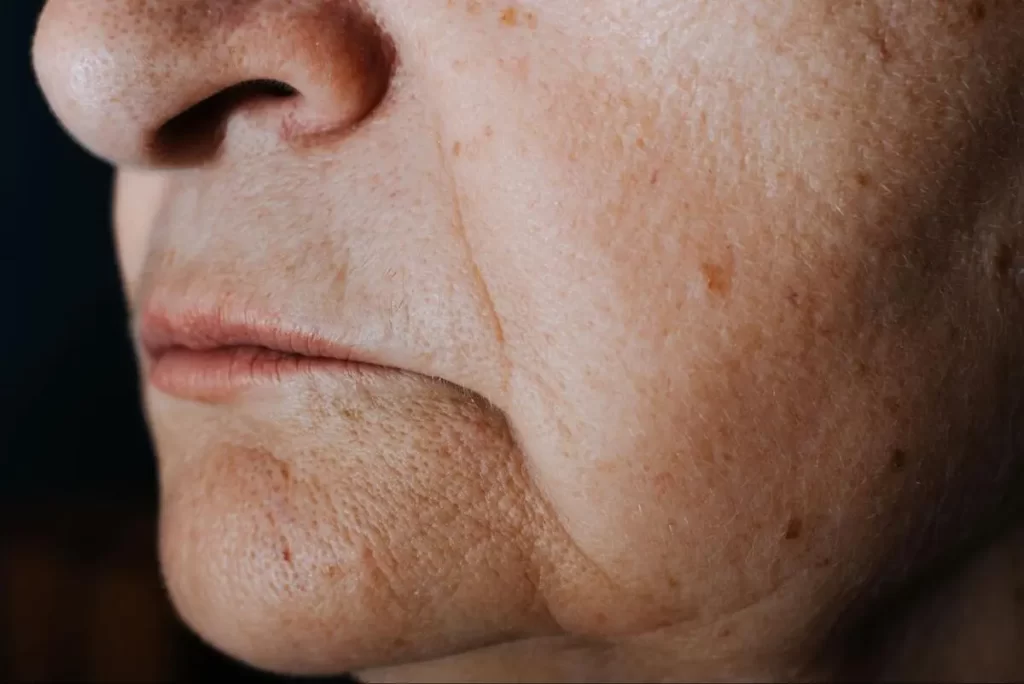
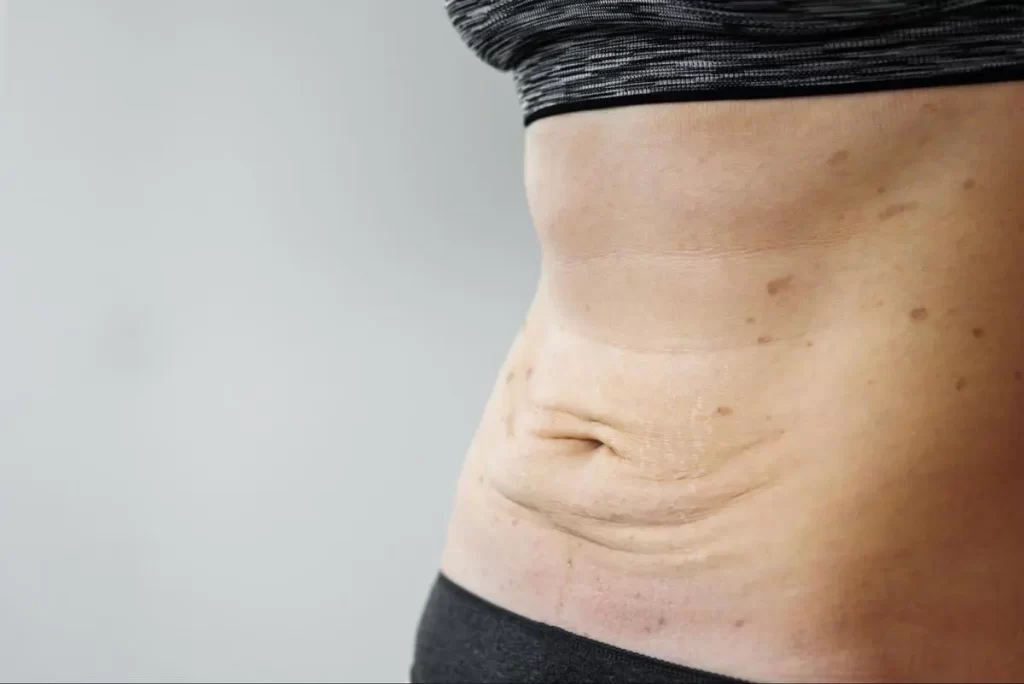
There are a number of areas that may be affected by sagging skin, although some are more prevalent. Changes tend to be noticed first on the face, around the cheeks, not to mention the jawline and under the eyes. The neck is also a place where loose skin can be experienced with age. The skin of the arms, especially the upper arm, may develop a sagging effect due to loss of weight or with age. Other common areas are the abdomen and the thighs, particularly after pregnancy or due to any major weight shifts. These regions might respond to causes of sagging skin differently, and not all areas might have a similar form of sagging skin. These are some of the common areas that can be kept in mind to guide our skin care habits and clothing preferences.
Key Signs and Areas to Watch for Sagging Skin
- Perceptible slackness about the jaw or chin.
- The neck and upper arms are folded or creased.
- Smaller cheekbones with less fatness.
- Abdominal skin becomes loose following weight loss.
- Hanging down around the thighs, particularly after childbirth.
Common Features of Sagging Skin Across Body Regions
| Body Area | Common Cause | Typical Age of Onset | Type of Sagging Skin | Visible Signs |
|---|---|---|---|---|
| Face | Ageing, sun damage | 30s–40s | Dynamic/Static | Jowls, hollow cheeks |
| Neck | Ageing, genetics | 40s–50s | Static | Neck folds, loose skin |
| Arms | Weight loss, ageing | Any | Generalised | Underarm flaps |
| Abdomen | Pregnancy, weight loss | Any | Localised/Generalised | Loose stomach skin |
| Thighs | Weight change | Any | Localised | Sagging inner thighs |
Why Sagging Skin Worsens Over Time
Sagging skin can be exacerbated over time since the natural system of support of the skin is further weakened due to old age and constant exposure to harmful influences. The production of collagen and elastin decreases on a yearly basis, making the skin lose an increasing amount of its elasticity. This process can be accelerated by sun exposure and smoking, thus causing the skin to appear older than it is. Weight loss or gain can cause the skin to be under tension, and this decreases its capacity to resume its normal shape. Genetics and hormonal changes also have a role to play in the ageing of the skin. Through the knowledge of these patterns, we can make efforts to reduce the process, e.g. by doing good skincare and making healthy lifestyle choices.
When Sagging Skin Becomes a Concern
Sagging skin is a cosmetic problem that is usually not taken seriously; however, in some cases, it may escalate to become a medical problem. In case of excessive sagging of the skin, the skin may feel uncomfortable, irritated or even infected when it folds. Very loose skin in a few cases may restrict motion or lead to self-esteem issues. Most individuals would be consulted on what is sagging and the forms of sagging skin that need to be addressed. We suggest consulting a professional for advice in case sagging skin is accompanied by any discomfort, concern, or changes in everyday activities. The best aesthetic clinic Singapore offers details on possible choices, whether it is the skincare routine and lifestyle habits or medical or surgical procedures.
Overview of Prevention and Treatment Options
Sagging skin may be prevented and treated by means of early habits like sun protection, moisturising regularly, and avoiding smoking. By eating well and keeping the skin hydrated, the skin will be able to repair itself naturally. For sufferers of already sagging skin, firming creams or even medical surgeries are non-surgical ways of enhancing skin appearance. More advanced cases or cases with large areas of skin involvement may be considered to be surgical.
Conclusion: Understanding and Managing Sagging Skin
To know about sagging skin, we need to know what constitutes sagging skin, how it occurs and what kind of sagging skin may be appropriate to our confidence or health. With the knowledge of the most prevalent areas of sagging skin and the reasons why it becomes worse with time, we are able to make the right choices concerning the prevention and treatment. Although sagging skin may be a normal process of old age, it may at times be a sign of other health problems. We would like to invite anybody who has questions or concerns about sagging skin treatment to consult a medical practitioner and have a consultation on a case-by-case basis.