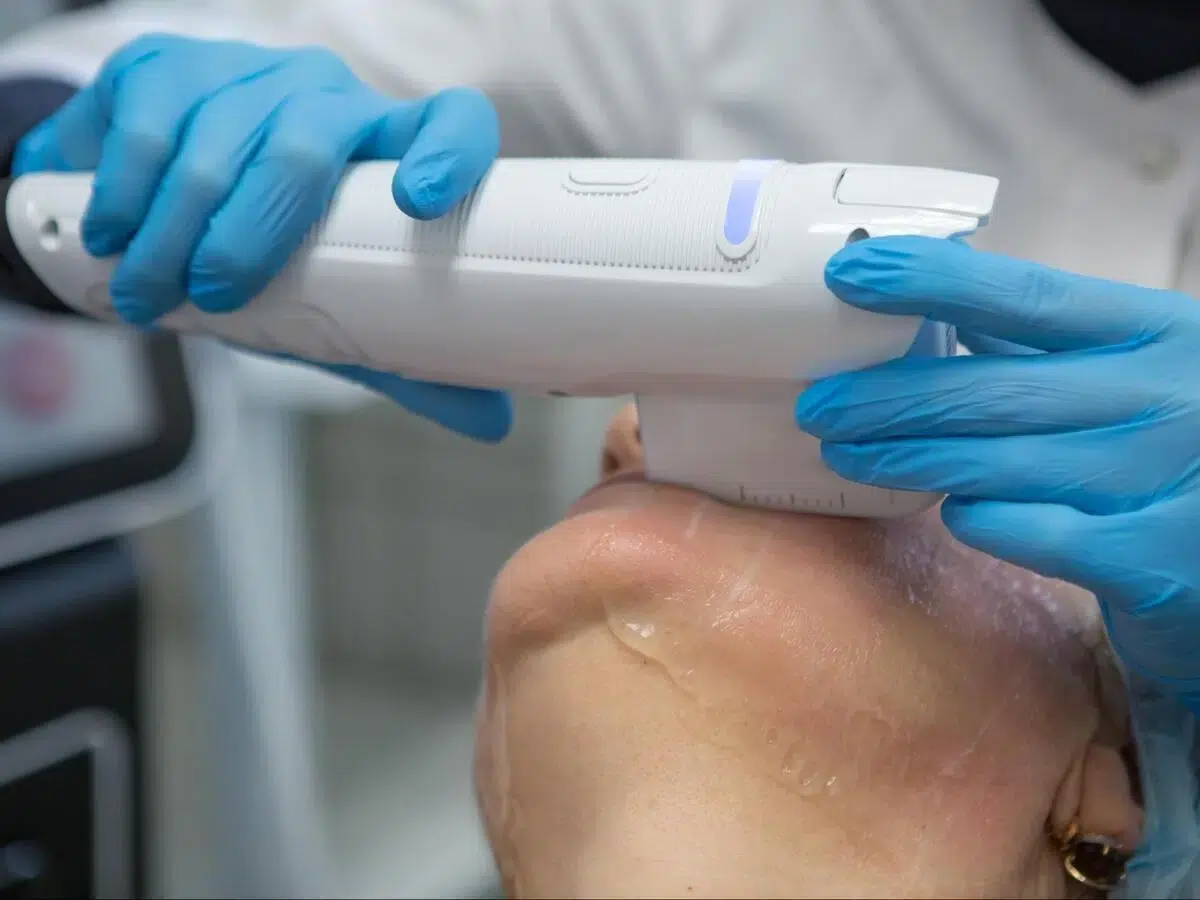
Loose skin around the cheeks, jawline and neck can become more noticeable with age. Considering non-surgical options? You may find XERF or Ultherapy. Both use energy to make your skin change, but they do it in very different ways. By researching XERF vs. Ultherapy, you'll get a better sense of what each one is all about, what research says, and what questions to ask during your consultation.
How XERF and Ultherapy Work
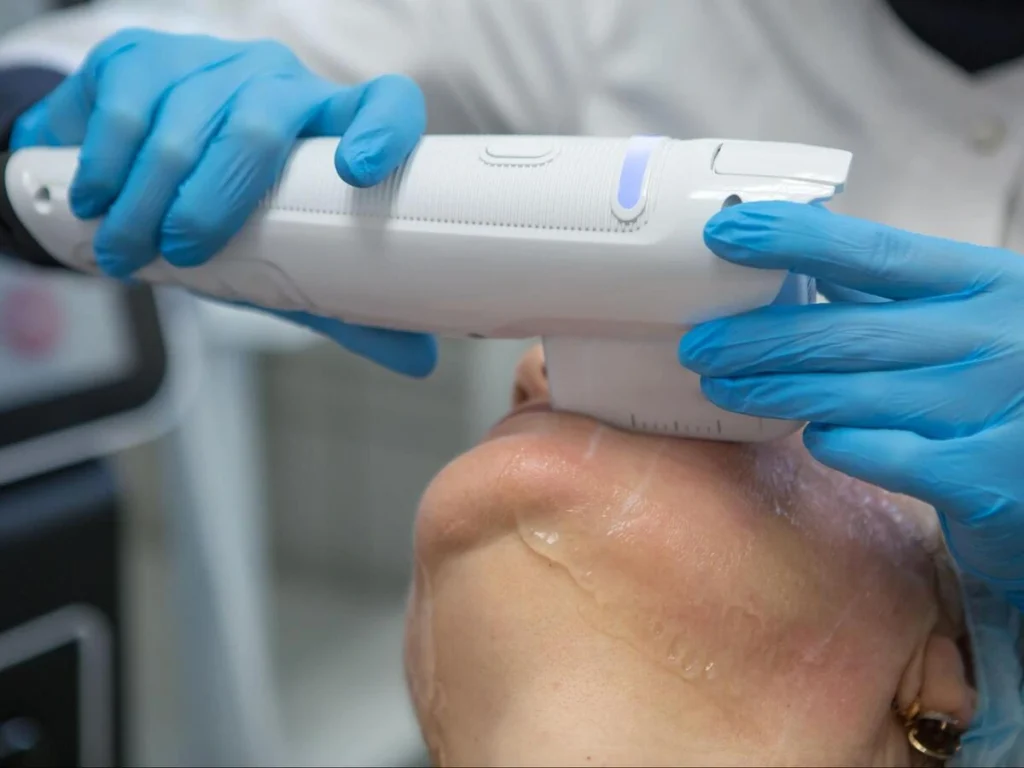
The biggest difference between these two non-surgical treatments is the type of energy they each use. Both aim to heat selected tissue beneath the skin and encourage collagen remodelling.
How XERF Uses Radiofrequency Energy
XERF is a non-invasive monopolar radiofrequency treatment. It uses two frequencies, 6.78 MHz and 2 MHz, delivered in sequence. Your skin and the tissue underneath it absorb this energy, which causes heat in the skin. The heat of the skin can cause collagen fibres to contract and to stimulate further collagen remodelling.
A 2024 study examined the effect of dual-frequency technology on tissue based on a porcine model. These findings help explain how the technology may work, but animal research cannot establish the results or safety profile in human patients.
How Ultherapy Uses Focused Ultrasound
Ultherapy uses microfocused ultrasound with visualisation (MFU-V). It's a comfort-focused, targeted treatment that delivers sonic energy below your skin at your target depths, while using targeted heat to help you achieve your desired result.
The body's healing response then supports collagen remodelling. The device also has an imaging feature. This allows the practitioner to view tissue layers during treatment and guide energy delivery. The treatment does not involve cuts or surgical removal of skin.
Ultherapy vs XERF: Key Differences
Although both treatments use heat to encourage tissue changes, their energy delivery methods are different. Radiofrequency vs ultrasound skin tightening is not simply a choice between two names for the same procedure.
Comparing the Two Treatments
| Feature | XERF | Ultherapy |
|---|---|---|
| Energy type | Monopolar radiofrequency | Microfocused ultrasound |
| How it works | Generates heat within targeted tissue | Creates focused points of heat beneath the skin |
| Main aim | Supports collagen contraction and remodelling | Encourages collagen remodelling and skin tightening |
| Visualisation | Uses a radiofrequency treatment system | Uses ultrasound imaging to view tissue layers |
| Treatment method | Energy is delivered through an applicator placed on the skin | Focused ultrasound is delivered at selected depths |
| Research available | Early clinical research | A wider body of research on microfocused ultrasound |
What Does the Clinical Research Say?
A randomised split-face trial compared monopolar radiofrequency with microfocused ultrasound with visualisation. Both sides of the face showed improvements in skin laxity. However, the radiofrequency device used in that trial was not XERF. The study therefore provides information about the two treatment approaches, not a direct comparison of XERF or Ultherapy.
Research specifically on XERF is still developing. A 2026 retrospective study followed 16 women after treatment and reported changes in facial appearance and skin-quality measures over three months. The researchers noted that larger studies are needed to confirm these findings.
Results, Treatment Experience and Possible Side Effects
Neither treatment produces identical results in every person. Age, skin laxity, facial structure and individual healing responses can all affect the outcome. It is also worth remembering that non-surgical skin tightening does not produce the same changes as a surgical facelift.
What Results Can You Expect?
Results take time to appear. Collagen remodelling happens gradually, so changes may not be visible straight after treatment.
A 2023 review looked at 13 microfocused ultrasound studies involving 477 participants. It found improvements in facial appearance at 90 and 180 days. The studies covered microfocused ultrasound treatments generally, not Ultherapy alone. These findings may give you an idea of what the treatment can do, but they cannot predict your results.
What About Discomfort and Side Effects?
You may feel some discomfort during treatment. Redness, swelling, tenderness or sensitivity can also occur afterwards. These effects vary from person to person and depend partly on the treatment settings and area.
A 2025 review examined the safety and effectiveness of microfocused ultrasound with visualisation. It looked at treatment outcomes, patient satisfaction and reported side effects. The findings relate to MFU-V treatments, but your own experience may be different.
How to Decide Between XERF and Ultherapy
XERF also needs further clinical research, particularly larger studies with more patients and longer follow-up. Before either procedure, ask your practitioner about possible side effects, the discomfort to expect and what to do if symptoms persist. One treatment is not automatically suitable for everyone. A practitioner should assess your skin, facial structure and degree of laxity before discussing either option.
Questions to Ask During Your Consultation
Before making a decision, discuss these points:
- Which areas of the face or neck can be treated?
- How does the device deliver energy, and at what depth?
- What changes are realistic for your skin concerns?
- How many sessions might be needed?
If you are considering XERF vs Ultherapy in Singapore, ask which device will be used and whether the practitioner has experience with that particular treatment. You can also ask to see the clinical evidence behind the results you have been promised.
At Astique Clinic, a consultation covers the differences between the two procedures and whether either may suit your concerns. The decision should be based on your skin assessment, medical history and a clear understanding of what each treatment can realistically achieve.